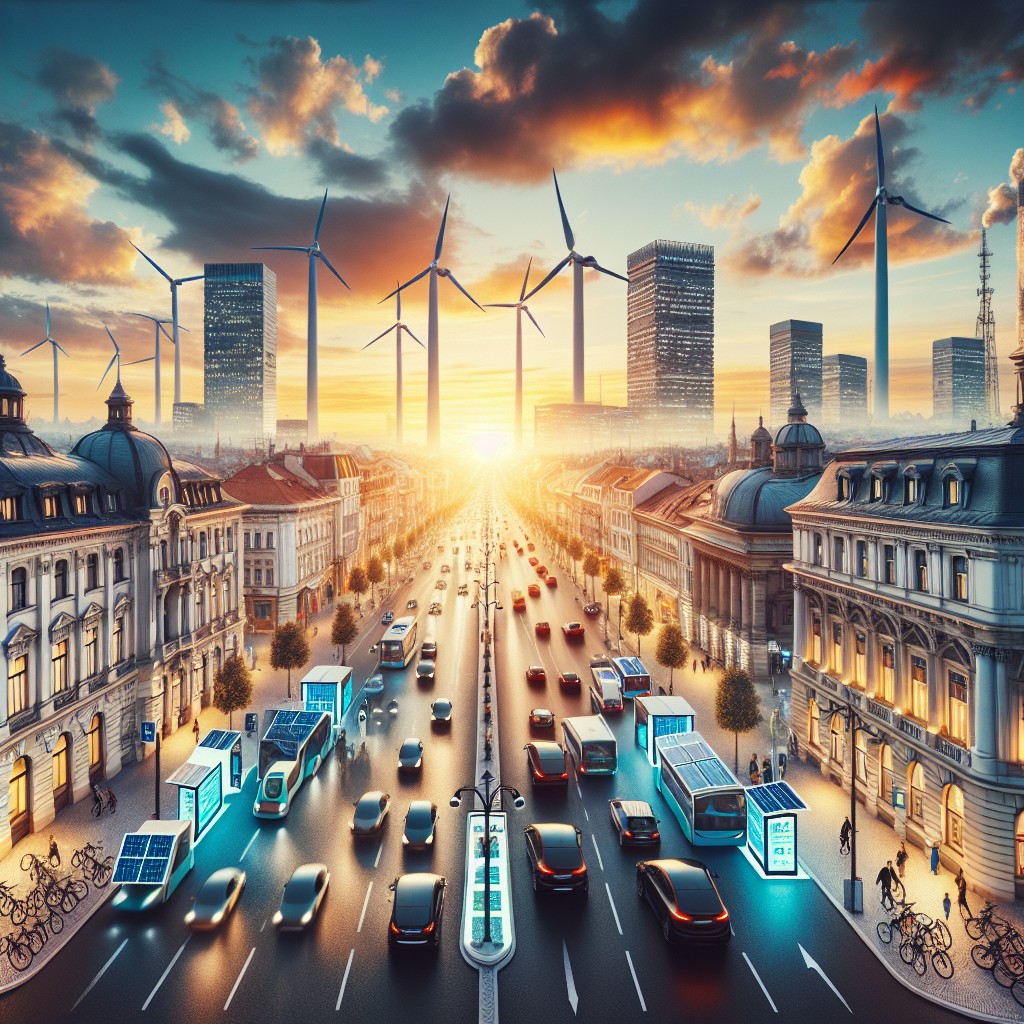
Romania is at a pivotal stage in its energy transition, with a strong emphasis on expanding its portfolio of renewable energy. As the country seeks to meet European Union climate targets and reduce dependence on fossil fuels, upgrading the national electricity grid emerges as a critical priority. Understanding the infrastructure challenges ahead is key to maximizing the benefits of renewable sources such as wind, solar, and hydroelectric power.
Current state of renewable energy in Romania
Romania’s renewable energy sector has grown substantially over the past decade, primarily driven by hydropower, wind farms in the Dobrogea region, and solar parks. These sources currently contribute a significant portion of the country’s electricity generation mix. Recent national policies and incentives have further encouraged investment in renewables, aligning Romania with EU directives on carbon reduction and energy efficiency. Despite this progress, grid limitations pose constraints on future expansion and integration of intermittent energy sources.
Challenges facing the Romanian electricity grid
The Romanian power grid faces several technical and operational challenges. Aging infrastructure in parts of the transmission and distribution systems limits the capacity to handle increased renewable energy inputs. Integration of decentralized renewable facilities often results in voltage fluctuations and grid instability, especially during periods of high renewable output combined with low demand. Moreover, the geographic distribution of renewable resources, frequently located far from consumption centers, demands enhanced transmission capacity and smart grid solutions.
Necessary upgrades to support renewable energy growth
To support sustained growth of renewable energy in Romania, comprehensive grid modernization is required. This includes upgrading transmission lines to higher voltage levels, deploying advanced grid management and monitoring technologies, and enhancing interconnections with neighboring countries to improve grid flexibility. Investments in energy storage systems are also necessary to balance supply and demand fluctuations associated with solar and wind generation. Moreover, regulatory reforms must streamline the grid connection process for renewable projects to accelerate their deployment.
Role of European Union support and investments
Romania benefits from substantial European Union funding mechanisms aimed at supporting energy infrastructure modernization and sustainability goals. The EU Green Deal and the Recovery and Resilience Facility allocate resources to member states for upgrading electricity grids to better accommodate renewable energy. These funds are instrumental in facilitating large-scale projects targeting grid reinforcement, smart grid implementation, and cross-border interconnectors. Coordinated efforts between Romanian energy authorities and European institutions are essential to ensure efficient use of these investments and timely execution.
Outlook for Romania’s renewable energy integration
Looking ahead, Romania’s energy future hinges on successfully upgrading its electricity grid. Analysts expect that with targeted infrastructure investments and supportive policy frameworks, the country can significantly increase renewable energy’s share in its energy mix. Such progress would contribute to Romania’s commitments under the EU climate agenda, reduce greenhouse gas emissions, and enhance energy security. However, failure to address grid bottlenecks could limit renewable potential and slow decarbonization efforts.
Frequently Asked Questions about renewable energy
What role does renewable energy play in Romania’s energy strategy?
Renewable energy is central to Romania’s energy strategy, aiming to reduce carbon emissions and comply with EU climate targets by increasing wind, solar, and hydropower capacity.
Why are grid upgrades necessary for renewable energy expansion?
Grid upgrades are necessary to manage the variable and decentralized nature of renewable energy sources, ensuring stable electricity supply and accommodating higher renewable capacity.
How is Romania funding its renewable energy grid modernization?
Romania leverages European Union funds, including the Green Deal and Recovery and Resilience Facility, to finance grid infrastructure projects crucial for renewable energy integration.
What technical improvements are being implemented in the grid?
Key improvements include upgrading transmission lines, implementing smart grid technologies, enhancing cross-border interconnections, and deploying energy storage systems to stabilize renewable energy supply.
What challenges remain for renewable energy growth in Romania?
Challenges include aging infrastructure, regulatory hurdles, grid stability issues due to intermittent generation, and ensuring efficient coordination between energy producers and grid operators.